Stores that sell, not just stores that launch.
Build, fix, integrate and scale an ecommerce store that converts. We develop and repair WooCommerce and Shopify stores, connect them to payments, CRM, ERP, inventory and shipping systems, and fix the technical problems behind lost sales.
Most of the e-commerce work we take on is repair rather than a fresh build. A store that was fine at launch has since collected thirty plugins, a slow checkout and an inventory count nobody trusts. That is usually a cheaper problem to fix than to rebuild, and we will say so before quoting a rebuild.
WooCommerce • Shopify • Custom Integrations • Performance • Payments

E-commerce Development Services
From fixing an existing store to building a new ecommerce platform, we focus on the technology behind your sales process: the platform, the checkout, the payments and the systems the store has to talk to. Every engagement is scoped as a development project around your requirements, not sold as a package.
WooCommerce Development
Custom WooCommerce stores, functionality, checkout improvements, product systems and integrations.
Shopify Development
Shopify customization, theme development, app integration and migration support.
Ecommerce Store Development
New ecommerce websites designed around products, customers, checkout and business operations.
Ecommerce Migration
Migrate products, customers, orders and important store data between platforms while minimizing disruption.
Payment Integration
Connect payment providers and build reliable payment flows around the requirements of the business.
CRM & ERP Integration
Connect the ecommerce store with CRM, ERP, accounting, inventory and business management systems.
Shipping & Fulfillment Integration
Connect orders with shipping, fulfillment and logistics systems so nothing is re-keyed by hand.
Ecommerce Optimization
Improve speed, checkout experience, technical SEO, product pages and conversion paths.
Is Your Ecommerce Store Costing You Sales?
Most stores do not fail loudly. They leak: a few percent at the product page, a few more at checkout, an order a day lost to a stock error. These are the technical problems we see most often, and almost all of them can be fixed without a rebuild.
Slow product pages
Heavy themes, uncompressed images and scripts loading on every page push buyers away before the add-to-cart button renders.
Slow mobile experience
Most ecommerce traffic is mobile. A store that feels fine on a desktop can still lose most of its sales on a phone.
Customers abandoning checkout
Extra steps, failing address validation, surprise shipping costs and slow payment screens all show up as lost orders.
Payment failures
Gateway misconfiguration, 3D Secure problems and webhook errors leave paid orders stuck as pending, or worse, unpaid orders marked complete.
Inventory inconsistencies
Stock that is right in the warehouse and wrong on the site sells products you do not have and hides products you do.
Too many plugins or apps
Thirty extensions with overlapping jobs slow the store down, conflict with each other and make every update a risk.
Broken integrations
A sync that silently stopped months ago is one of the most common things we find on a first audit.
Manual order processing
Orders copied by hand into accounting, shipping or ERP systems cost staff time and introduce errors.
CRM and ERP not synchronized
Customers, orders and invoices that live in three places and agree in none of them.
Shipping workflow problems
Wrong rates at checkout, labels created manually, tracking numbers never sent back to the customer.
Poor product filtering and management
Buyers cannot narrow down the catalogue, and the team cannot manage variations, bundles or pricing without workarounds.
SEO drops and poor Core Web Vitals
Rankings lost after a migration or redesign, missing redirects, duplicate URLs and vitals scores that hold the store back in search.

Start With an Ecommerce Audit
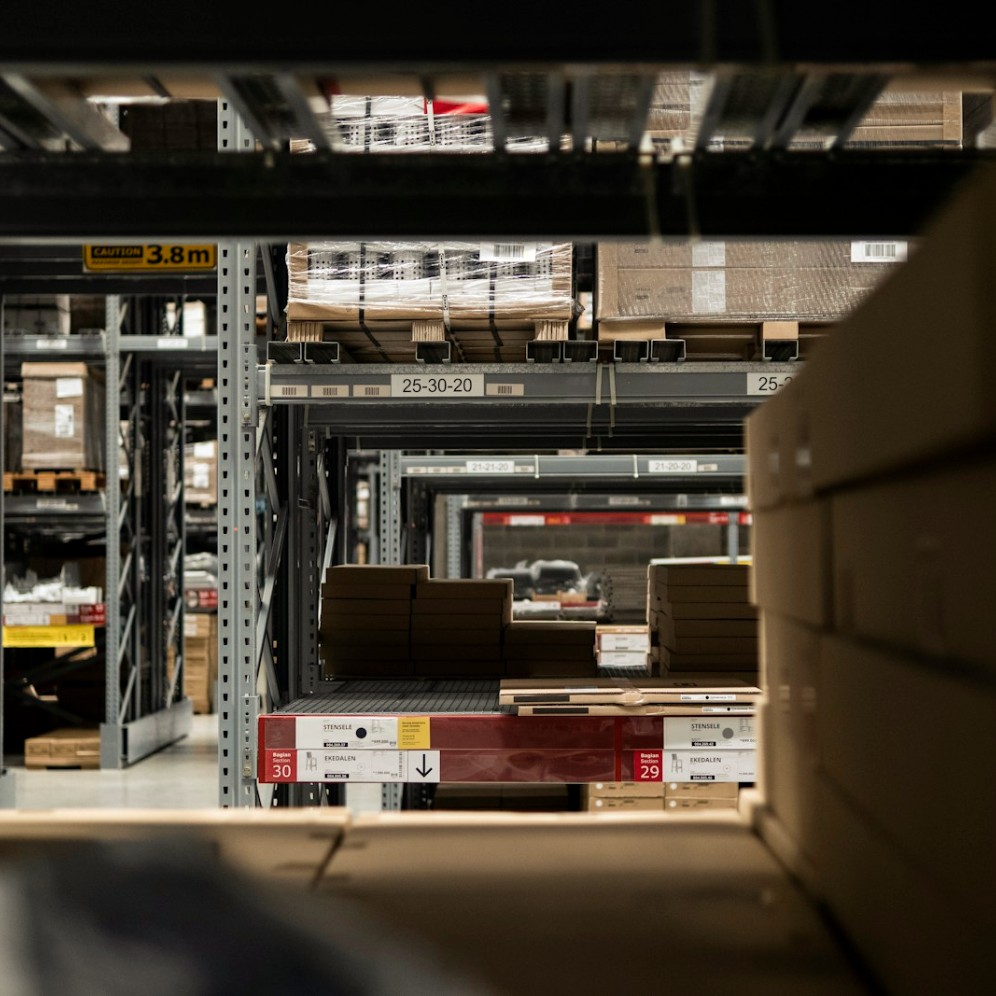
The diagnostic comes before the rebuild. We start with a fixed-scope audit rather than a proposal. It measures what the store is actually losing: where buyers drop out between the product page and the confirmation screen, which plugins are costing you load time, and whether the theme, the hosting or the database is the real bottleneck.
Findings are ranked by revenue impact rather than by technical severity, because the ugliest problem in the code is rarely the one costing you the most money. The report is yours to keep and act on, whether or not you hire us to do the fixes.
- A fixed-scope audit whose report is useful to you even if you never hire us
- Findings ranked by what each one costs you, not by how alarming it looks
What the audit examines
- Technical and mobile performance
- Product pages and category navigation
- Cart and checkout flow
- Plugins, apps and theme overhead
- Database and hosting
- Integrations with CRM, ERP, inventory and shipping
- Payment flow and gateway configuration
- Technical SEO and indexation
- Conversion barriers between landing page and order
Audit
We examine the current store and identify the highest-impact problems, measured against real traffic and order data.
Prioritize
Problems are ranked according to business and revenue impact, not by how alarming they look in the code.
Improve
You receive a practical roadmap for fixing the issues, with the option to have us implement it or hand it to your own team.
You don’t need to rebuild your store just because it has problems. The audit tells you which fixes pay for themselves and which do not.
On a store, speed is a revenue number
Core Web Vitals are not an SEO checkbox once there is a checkout involved. In case studies published by Google, Vodafone cut largest contentful paint by 31 percent and saw sales rise 8 percent, and Lazada improved mobile vitals and saw mobile conversion rise close to 17 percent. The mechanism is not mysterious. People abandon slow checkouts.
On WooCommerce the wins are usually unglamorous: stores still running legacy order storage instead of high performance order storage, plugins loading their scripts on every page including the ones that do not use them, and product images nobody ever compressed.
- Checkout and product page speed measured on mobile, where your buyers actually are
- High performance order storage, asset loading discipline and a real image pipeline


Faster stores create better buying experiences. This is what the work usually involves.
Image optimization
Correct sizing, modern formats, lazy loading and a pipeline that handles new product images automatically.
Caching and CDN
Page, object and edge caching configured so logged-in carts and checkout stay dynamic while everything else is served fast.
Database and order storage
WooCommerce high performance order storage, index review and cleanup of tables that grow with every order.
Plugin and app review
Removing overlapping extensions and stopping scripts from loading on pages that never use them.
JavaScript management
Deferring, splitting and trimming third-party scripts so tracking and chat widgets stop blocking the product page.
Hosting evaluation
Checking whether the server, PHP configuration and stack fit the store's traffic before spending money on a migration.
Mobile performance
Core Web Vitals measured on real mobile devices, which is where most of your buyers are.
Checkout performance
The one page where a slow request costs an order, tuned separately from the rest of the site.
Optimize Every Step of the Ecommerce Journey
A sale passes through nine stages between a search result and a fulfilled order. Each one is a place where a technical problem can quietly cost you the sale.
Optimization is not a redesign
Ecommerce optimization is not only about making a website look better. Every step above depends on a technical system: search results depend on the store architecture, product pages on the theme and image pipeline, checkout on payment and shipping integrations, and the order on whatever CRM, ERP or fulfillment system has to receive it.
We improve the technology connecting each stage, so the gains compound: more of the visitors who arrive become orders, and more of those orders flow through the business without manual work.
Where the technical work happens
- Search to landing page: architecture, speed, structured data and indexation
- Category to product page: filtering, load time, product data and variations
- Cart to payment: checkout logic, gateway reliability, shipping rates and address handling
- Order to operations: CRM, ERP, inventory and fulfillment synchronization
Connect Your Store to the Systems Your Business Already Uses
An ecommerce store rarely operates alone. Orders have to reach accounting, stock has to come from the warehouse, and the customer record belongs in the CRM. We build ecommerce integrations for WooCommerce, Shopify and custom platforms, using native APIs where they exist and custom middleware where they do not, with the retries, logging and error handling a business process needs. Related work is described on our API integration and CRM development pages.
CRM systems
Customers, orders and lifetime value pushed into the CRM, and segments or deals pushed back to the store.
ERP systems
Two-way order, invoice and stock synchronization so the ERP stays the source of truth.
Accounting software
Orders, refunds and fees posted as bookable transactions instead of exported spreadsheets.
Inventory and warehouse systems
Stock levels, locations and reservations kept in step across channels.
Payment gateways
Gateways, wallets, instalments and local methods, with webhooks that reconcile reliably.
Shipping platforms
Live rates at checkout, label generation and tracking numbers sent back to the customer.
Marketing and email platforms
Purchase and behaviour events for automation, abandoned-cart flows and segmentation.
Customer support systems
Order history and shipment status visible inside the helpdesk when a ticket arrives.
Analytics
Server-side and client-side tracking that reports the same numbers your order table does.
APIs and custom software
Internal tools, supplier feeds, marketplaces and any system with an API or a file interface.
WooCommerce Development & Customization
WooCommerce is at its best when the business logic does not fit a template: customer-specific pricing, products that need configuring, a checkout that has to ask different questions for different order types, or an inventory that lives in another system. We treat it as a development platform and build that logic properly, in plugins and integrations, rather than stacking extensions until something breaks.
Most WooCommerce projects we take on start with an existing store. Slow product pages, a checkout that fails for some payment methods, stock that drifts out of sync, or a plugin set nobody dares update. In those cases we fix what is there and extend it. A fresh build is the exception, and we say so up front.
We also build and maintain WooCommerce plugins for functionality that does not exist off the shelf.
What we build and fix on WooCommerce
- Custom WooCommerce functionality and plugin development
- Product configuration, variable and composite products
- Custom checkout fields, steps and validation
- Payment gateway integration and troubleshooting
- Shipping integrations and live rate calculation
- Inventory synchronization with ERP and warehouse systems
- CRM integration and customer data sync
- WooCommerce REST API and webhook integrations
- Performance optimization and high performance order storage
- Theme customization without breaking updates
- Troubleshooting existing WooCommerce stores
- WooCommerce migrations in and out
Shopify Development & Integration
Shopify handles hosting, uptime and PCI scope for you. What it does not handle is the rest of your business: the ERP that owns stock, the CRM that owns the customer, the accounting system that owns the invoice, and the pricing rules that do not fit a standard product page. That is where the development work is.
We customize Shopify themes, build against the Storefront and Admin APIs, connect Shopify to the systems around it, and migrate stores onto and off the platform. Where an app from the store already solves the problem well, we will recommend it rather than build a replacement. Custom Shopify extensions are for the cases where nothing on the shelf fits.
Shopify work we take on
- Shopify store and theme customization
- Shopify app integration and configuration
- Payment integrations and checkout extensibility
- CRM and ERP integrations
- Inventory synchronization across locations and channels
- Shipping and fulfillment integrations
- Shopify migrations, in either direction
- Custom API integrations and middleware
- Performance and conversion improvements
WooCommerce or Shopify, answered honestly
Shopify adds up to 2 percent on top of card processing if you use a third-party gateway, and you rent a checkout you cannot fully control. WooCommerce is free until you add hosting and extensions that renew every year, per site. Neither is cheap. They are expensive in different places.
Shopify wins when you want uptime, a smaller PCI scope, and no developer on retainer. WooCommerce wins on gateway freedom, on owning your content and search presence, and on business logic that refuses to fit a template. We will tell you which one describes you before anyone signs anything.
- A comparison run against your real order volume and gateway costs, not a feature table
- Migration in either direction, including stores stranded by the 2026 Shopify checkout changes
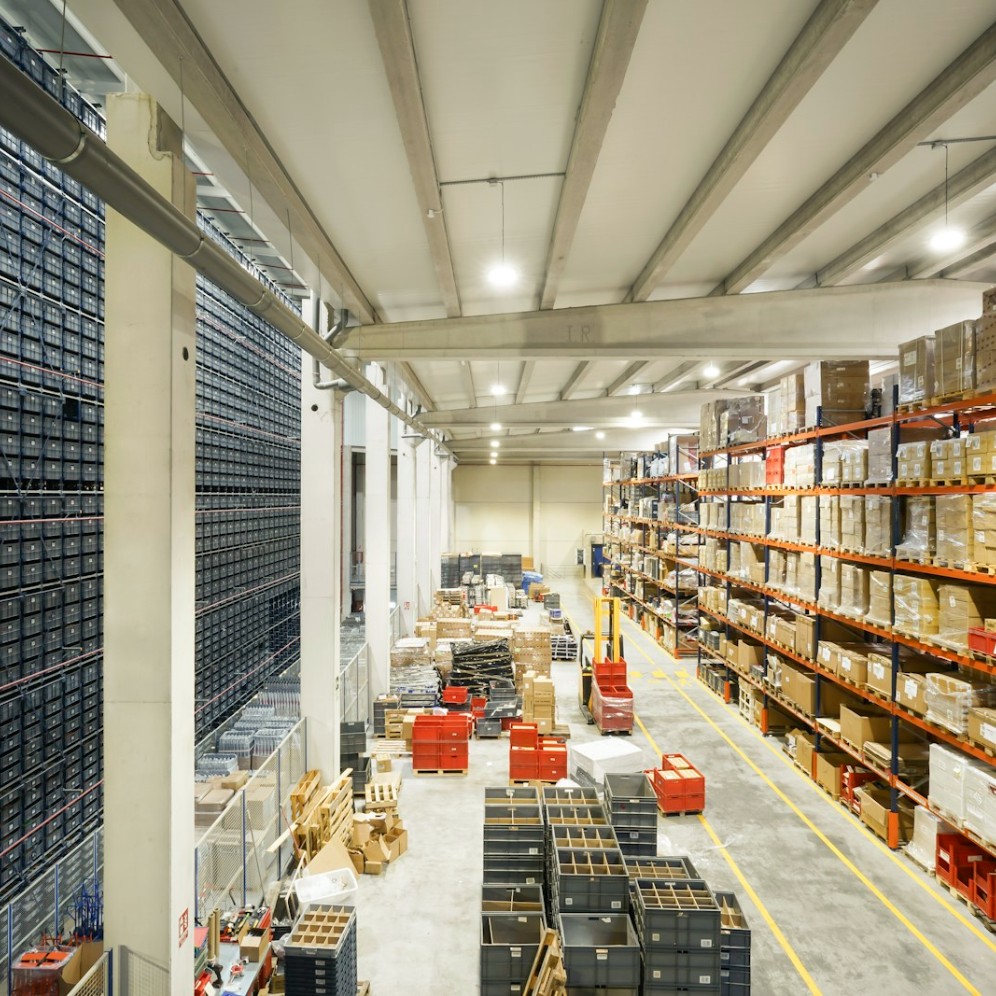
WooCommerce or Shopify? A side-by-side view
WooCommerce
- Greater customization of products, checkout and business logic
- Full control over hosting, data and the database
- Flexible integrations through plugins, REST API and custom code
- The WordPress ecosystem for content, SEO and marketing
- Suitable for complex or unusual business logic
- Costs sit in hosting, extensions and maintenance
Shopify
- Managed infrastructure, uptime and security handled for you
- Faster initial setup and launch
- Easier day-to-day operational management
- Large app ecosystem for common needs
- Suitable for businesses that want a managed platform
- Costs sit in subscription tiers, apps and transaction fees
Not sure which platform fits your business? We can evaluate your requirements, order volume, integrations and gateway costs before any development begins, and tell you plainly which one describes you.
When Standard Ecommerce Features Aren't Enough
Some businesses cannot operate on standard plugins and apps alone. A wholesaler with negotiated prices per customer, a manufacturer whose products have to be configured before they can be priced, a distributor whose stock lives in an ERP that must stay authoritative. Forcing that into an off-the-shelf extension produces workarounds, and workarounds produce errors.
We are a development company, not only an ecommerce agency. When the requirement is specific to your business, we write the code for it: plugins, apps, middleware and integrations built to your rules and maintained alongside the platform. Related capabilities are described under web development and API integration.
Custom and customer-specific pricing
Price lists, tiers, contract prices and quantity breaks applied at product, cart and checkout level.
B2B accounts and wholesale
Account approval, credit terms, purchase orders, sub-users and separate wholesale catalogues.
Product configurators
Step-by-step configuration with dependent options, validation and calculated pricing.
Custom checkout and order logic
Conditional fields, approval steps, split shipments and order workflows that match how you actually fulfil.
Inventory and ERP synchronization
Stock, orders and invoices kept consistent across systems with retries, logging and reconciliation.
Automated business processes
Supplier feeds, marketplace listings, external APIs and the manual steps in between, automated.
Planning an Ecommerce Migration?
We migrate stores between Shopify and WooCommerce in either direction, and from older or custom platforms onto both. The store data itself is the easy part. The projects that go wrong are the ones that treat a migration as a data export rather than a change to every system connected to the store.
A migration plan covers the catalogue, the customers and their order history, every URL the old store ranked for and the redirects that protect it, the payment and shipping setups that have to keep working on day one, and the integrations that need re-pointing. We test on a staging copy against real orders before anything switches over.
Migration paths
- Shopify to WooCommerce
- WooCommerce to Shopify
- Older ecommerce platform to WooCommerce
- Older ecommerce platform to Shopify
- Custom platform to WooCommerce or Shopify
What the plan has to cover
- Products, variations and categories
- Customers, accounts and order history
- URLs, SEO and 301 redirects
- Payment methods and stored payment tokens
- Shipping rules and rates
- Inventory and stock locations
- Integrations: CRM, ERP, email, analytics
E-commerce SEO Starts With the Store Architecture
Most ecommerce SEO problems are development problems. Faceted navigation that creates thousands of crawlable filter URLs, product variations that produce duplicate pages, category structures that bury products four clicks deep, canonical tags pointing the wrong way, product schema missing the price and availability Google wants to show, and a migration that dropped the redirects. None of that is fixed by writing more content.
We build and repair the technical layer that search engines see: URL structure, internal linking, indexation rules, structured data, page speed and mobile usability. It is the same work that makes the store faster for buyers, which is why we treat SEO and performance as one project rather than two.
Technical SEO areas we work on
- Product and category URL structure
- Internal linking and category depth
- Product, breadcrumb and organization schema
- Canonical URLs and indexation rules
- Faceted navigation and filter URLs
- Duplicate content from variations and parameters
- Page speed and Core Web Vitals
- Mobile usability
- Migration redirects and URL mapping
E-commerce Solutions for Different Business Models
Off-the-shelf ecommerce assumes a simple retail model: one price, one catalogue, one currency, a cart and a card. Each business model below breaks that assumption somewhere, and that is usually where custom development is needed.
Retail
Large catalogues, seasonal peaks and a mobile checkout that has to stay fast when traffic spikes.
B2B ecommerce
Account approval, customer-specific pricing, purchase orders and invoicing terms that consumer platforms do not offer by default.
Wholesale
Tiered and quantity-based pricing, minimum orders and a separate catalogue for trade customers.
Manufacturers
Configurable or made-to-order products, lead times and stock that lives in an ERP or production system.
Subscription businesses
Recurring billing, plan changes, failed-payment recovery and subscription data synced to CRM and accounting.
Multi-product stores
Complex variations, bundles, filtering and product data management across thousands of SKUs.
Service businesses selling online
Bookings, deposits, quotes and services that need custom checkout steps rather than a standard cart.
International ecommerce
Regional pricing, taxes, shipping zones and payment methods that differ by country.
Multi-language stores
Translated catalogues, hreflang, localized checkout and content kept in sync across languages.
Multi-currency stores
Currency switching, gateway support per currency and consistent pricing across markets.
Our Development Process
The same sequence applies whether we are building a new store or repairing an existing one. The assessment step is what keeps us from recommending a rebuild that the business does not need.
Discovery
Understand products, customers, operations and the business requirements behind the store.
Technical Assessment
Review the existing platform, integrations, data and infrastructure before anything is proposed.
Architecture
Define the ecommerce platform, the integrations and the functionality that has to be built or bought.
Development
Build the store or improve the existing one, in plugins, apps and code that survive platform updates.
Integration
Connect payments, CRM, ERP, inventory, shipping and the other systems the order has to reach.
Testing
Test products, checkout, payments, mobile experience and integrations against real order scenarios.
Launch
Deploy the store, handle redirects and cut-over, and monitor the transition closely.
Optimization
Continue improving performance, SEO and conversion, measured against the store’s own numbers.
More Than an Ecommerce Website
Your store is part of a larger business system. We build and connect the technology around it, which is a different job from designing a storefront. This is what that looks like in practice.
Development-first approach
We write plugins, apps and integrations rather than assembling extensions and hoping they cooperate.
Ecommerce and API integration
Stores connected to CRM, ERP, accounting, inventory and shipping systems, with the error handling a business process needs.
WooCommerce expertise
Custom functionality, checkout work, performance and troubleshooting on stores of all sizes.
Shopify development
Theme work, API integrations and migrations, with honest advice on when Shopify is the wrong fit.
Payment integrations
Gateways, webhooks and reconciliation built to be reliable, described further under payment integration.
Custom business logic
Pricing, B2B accounts, configurators and order workflows that standard platforms do not offer.
Performance optimization
Speed treated as a revenue number and measured where buyers are, on mobile.
Existing-store troubleshooting
Most of our work is repair. We fix what is there before proposing anything new.
Technical SEO awareness
Architecture, indexation and migrations handled so search visibility is protected, not rebuilt from zero.
Straight recommendations
If an off-the-shelf app or a different platform is the better buy, we say so before you spend anything.
Frequently Asked Questions
Straight answers to the questions we are asked most often about ecommerce development, integration and migration.
What is ecommerce development?
How much does ecommerce website development cost?
Do you develop WooCommerce stores?
Do you develop Shopify stores?
Can you customize an existing WooCommerce store?
Can you migrate from Shopify to WooCommerce?
Can you migrate from WooCommerce to Shopify?
Can you integrate WooCommerce with a CRM?
Can you integrate an ecommerce store with an ERP?
Can you integrate payment gateways?
Can you integrate shipping systems?
Can you improve WooCommerce performance?
Can you fix a slow ecommerce website?
Can you optimize an ecommerce website for SEO?
Can you develop custom ecommerce functionality?
Can you connect ecommerce systems through APIs?
How long does ecommerce development take?
Do you work with existing ecommerce stores?
Let's Fix, Build or Improve Your Ecommerce Store
Whether you’re launching a new store, migrating platforms or trying to fix an existing ecommerce system, start with a conversation about what your business actually needs.
No obligation. We start by understanding the problem before recommending a solution.