Development
Payments that reconcile.
Taking a card is the easy part. The work is what happens on a bad day: the retry that charges twice, the webhook missed during a deploy that leaves an order paid and unfulfilled, and the month end where the gateway and your own ledger disagree.
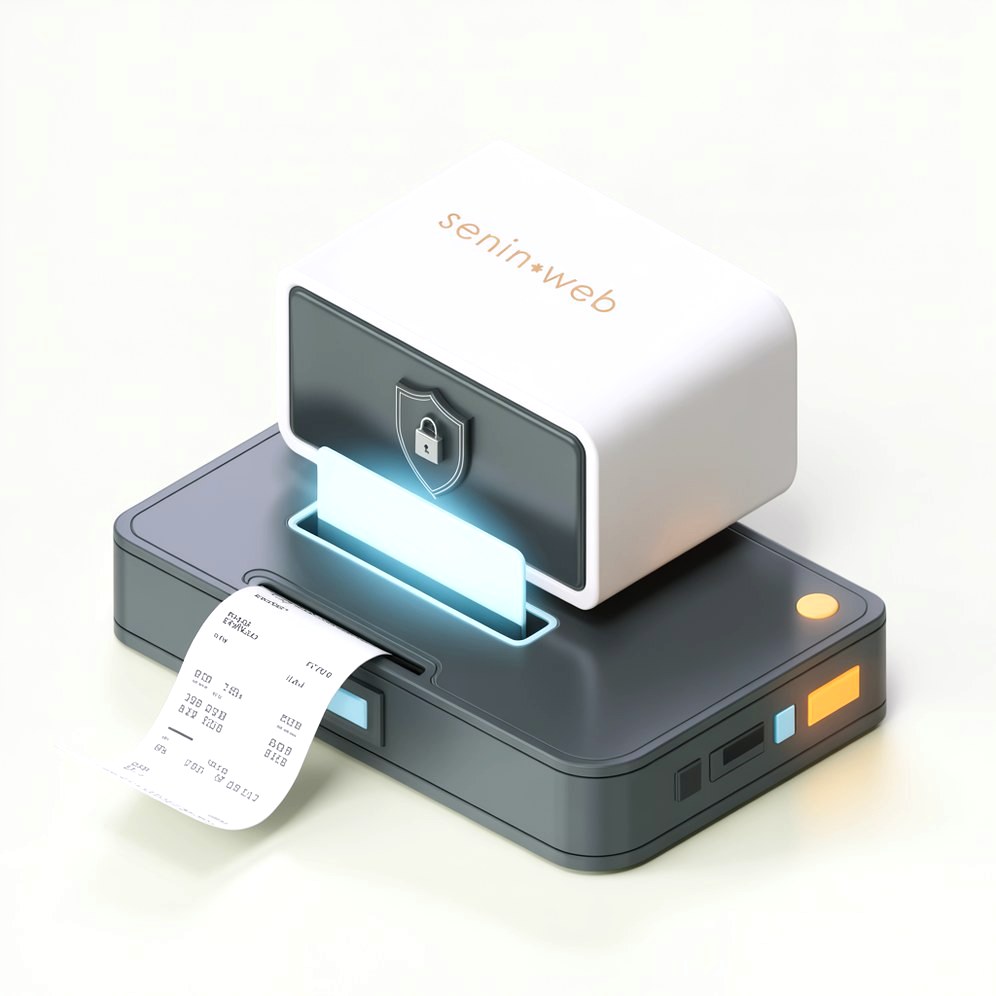
Global Payment Integration for Modern Businesses
We connect international payment providers to the systems a business already runs. That means the checkout itself, and everything behind it: orders, subscriptions, customer records, invoices and internal reporting. Almost every serious provider publishes a documented API, and that is what we build against.
- Websites
- Ecommerce stores
- SaaS applications
- Subscription platforms
- Membership websites
- Custom web applications
- CRM systems
- ERP systems
- Business management software
Whether the job is payment gateway integration on a single checkout page or payment API integration across several systems, the method is the same. Choose the provider that fits the business model, integrate against its documented API, and make sure the resulting data lands where your team already works.
Payment Gateways and Platforms We Integrate
These are the international payment providers we work with most often. We are not a reseller or an official partner of any of them, and we do not ship a pre-built connector. Every integration is scoped against the provider current API and the requirements of the project.
Stripe
PayPal
Braintree
Square
Adyen
Checkout.com
Mollie
Paddle
Authorize.Net
Providers with documented APIs
Do not see your payment provider? We can review its API documentation and work out the best integration approach before anyone commits to a build.


Choosing the integration that keeps your compliance scope small
How you integrate decides how much of PCI DSS actually applies to you, and most businesses find that out afterwards. Hosted checkout and a properly isolated iframe keep you on the lightest self assessment. Embedded scripts move you up a tier and bring script inventory and page integrity monitoring with them. Touching card numbers directly puts you in a questionnaire with hundreds of controls.
The cheapest integration is almost always the one that keeps your scope small, so that is the conversation we start with rather than the one we have at the end.
- A clear comparison of hosted, embedded and full API against your compliance scope
- Stripe, PayPal, Square, Authorize.net and Braintree, chosen on fit rather than habit
The failure cases, which are the actual job
Idempotency keys so a retried request cannot charge the same card twice. A webhook inbox keyed on the provider event id, acknowledged first and processed after, so a slow deploy does not quietly lose an order. Signature verification that survives a key rotation. Exponential backoff on everything that talks to somebody else server.
Then a reconciliation job that compares the gateway against your own records on a schedule, and tells a person when the two disagree.
- Idempotency keys and a replayable webhook inbox, so charges and orders cannot go missing
- Scheduled reconciliation between gateway and ledger, with alerts when they diverge


Subscriptions, refunds and the unglamorous parts
Recurring billing is where quiet revenue loss lives: cards expiring, renewals failing, and no dunning sequence to recover any of it. Refunds that never get written back to your own database, so support and accounts see different numbers. Currency rounding that is out by a cent per transaction until it is out by a great deal more.
These get built deliberately rather than discovered in production six months later.
- Recurring billing with dunning and retry logic for failed renewals
- Refunds, partial refunds and disputes written back to your own records correctly

Stripe Payment Integration
Stripe is the default choice for most SaaS and online businesses, and its API surface is wide enough that the integration decisions genuinely matter. We work with the parts of Stripe your business model needs rather than dropping in a checkout button and calling it finished.
- Stripe Checkout and hosted payment pages
- Payment Intents for card and wallet flows
- Direct Stripe API integration
- Stripe webhooks with signature verification
- Stripe subscriptions and pricing plans
- Recurring payments and renewals
- Refunds and partial refunds
- Customer and payment method management
- Payment status synchronization
PayPal Payment Integration
PayPal is often the payment method customers ask for by name, and it usually sits alongside a card gateway rather than replacing it. That makes the integration work less about the checkout button and more about keeping two sources of payment truth in agreement.
- PayPal API integration
- PayPal checkout on web and ecommerce
- Integration with custom applications
- Payment status synchronization
- Webhook processing and verification
- Refund and dispute handling
- Order records kept in step with PayPal
- Reconciliation against your own ledger
- Clear handling of pending payments
Subscription and Recurring Payment Integration
Subscription billing is where most payment integrations quietly break. A renewal fails at 3am, nobody is told, and the account stays active for another month. Recurring payment integration is mostly about handling that path properly.
- Recurring billing and automatic renewals
- Subscription creation from signup
- Upgrades, downgrades and proration
- Cancellations and end of term handling
- Failed payment handling and dunning
- Payment retries with sensible backoff
- Refunds written back to your records
- Webhooks for every billing event
- Customer billing status and invoice synchronization
Turn successful payments into automated account activation, subscription management, CRM updates and customer notifications.
Ecommerce Payment Integration
Most ecommerce platforms accept payments out of the box. The work starts when the store has to stay in agreement with the gateway, the warehouse and the accounting system at the same time.
WooCommerce Payment Integration
Connect payment gateways to WooCommerce stores and keep payment status and order status synchronized, including refunds raised from either side.
Shopify Payment Integration
Integrate payment related workflows with Shopify and the business systems around it, within what the Shopify platform and the provider APIs allow.
Custom Ecommerce
Build payment integrations for custom ecommerce platforms and web applications where no off the shelf plugin exists.
Marketplace Payments
Support more complex payment workflows, such as split payouts and multi vendor flows, where the architecture and provider APIs allow it.
Custom Payment API Integration
A plugin connects a payment provider to a checkout page. An API integration connects it to the software your business actually runs on, which is usually where the manual work lives. If your team is copying transactions into a CRM or an accounting system by hand, that is the integration worth building.
- REST API integration
- Payment API integration
- Webhook integration and verification
- Authentication and key management
- Transaction status synchronization
- Refund API integration
- Customer API integration
- Subscription API integration
- Error handling that surfaces real failures
- Retry logic with backoff
- Idempotency on every write
- Transaction reconciliation
We integrate payments into your business software, not just your checkout page.
Automate What Happens After a Payment
A payment is an event, not an end state. The value of a custom integration is in what fires afterwards, automatically, on both the good path and the bad one.
Successful payment
Customer pays
The customer completes checkout on your site or in your application.
Payment gateway
The provider processes the transaction and returns a result.
Payment verified
The result is verified server side, never trusted from the browser.
Webhook received
The provider event is validated, deduplicated and queued.
Order updated
The order moves to paid in your store or application.
CRM updated
The customer record, deal or account reflects the payment.
Subscription activated
Access, plan or entitlement is switched on automatically.
Invoice and notification
Invoice, receipt email and any downstream business workflow run.
Failed payment
Payment failed
A charge is declined, expires or fails at renewal.
Failure detected
The failure event is captured rather than silently dropped.
Customer notified
The customer gets a clear message and a way to fix it.
Retry and recovery
Retries run on a schedule that respects provider rules.
Account status updated
Access, subscription and CRM status reflect reality.
Reliable Payment Integration, Not Just a Checkout Button
Taking the first payment is straightforward. Staying correct through retries, deploys, disputes and provider outages is the part that decides whether your revenue records can be trusted.
Secure Payment Architecture
Integrations are designed around the provider hosted and tokenized payment mechanisms, so sensitive card data stays out of systems that do not need it.
Webhook Verification
Provider events are signature checked, deduplicated and processed in a way that survives a redeploy.
Idempotency
Repeated or retried requests resolve to a single transaction instead of a duplicate charge.
Failed Payment Handling
Declines, expiries and failed renewals are handled as a real path, with retries and customer messaging.
Refund Synchronization
Refunds and partial refunds are written back to orders, subscriptions and customer records.
Transaction Reconciliation
Scheduled checks compare your internal records against provider data and flag anything that diverges.
Error Monitoring
API failures, webhook failures and stuck transactions are surfaced with alerts rather than found by a customer.
Audit Trail
Payment events, webhook deliveries and status changes are logged, so a disputed or missing transaction can be traced end to end.
We do not claim to make a business PCI DSS compliant. What an integration architecture can do is keep your compliance scope as small as the business model allows, and we will tell you upfront where your choices widen it.
Payment Integration for Different Business Models
What a payment integration needs to do depends less on the provider than on how the business makes money.
SaaS
Subscription billing, automatic account activation and entitlement changes driven by billing events.
Ecommerce
Online checkout, order synchronization, refunds and disputes reflected in the store and the ledger.
Membership Platforms
Recurring membership payments with account status that follows the payment, not a manual review.
Online Services
One time payments that trigger the service workflow, delivery or booking confirmation automatically.
Booking Platforms
Payments tied to reservations, including deposits, cancellations and refund rules.
B2B Software
Payment processing connected to CRM, ERP and accounting systems so finance is not rekeying data.
Digital Products
Automated payment confirmation with product access or licence delivery on success.
Custom Applications
Payment APIs integrated directly into existing software rather than bolted on beside it.
Payment Provider Comparison
A rough guide to where each provider tends to fit. The right answer depends on your market, your currencies and how you bill, so treat this as a starting point for the conversation rather than a verdict.
| Provider | Best For | API Integration | Subscriptions | Ecommerce |
|---|---|---|---|---|
| Stripe | SaaS and online businesses | Yes | Yes | Yes |
| PayPal | Online payments | Yes | Yes* | Yes |
| Braintree | Online payments | Yes | Yes* | Yes |
| Square | Commerce and payments | Yes | Yes* | Yes |
| Adyen | Global businesses | Yes | Depends on setup | Yes |
| Checkout.com | Global payments | Yes | Depends on setup | Yes |
| Mollie | European payments | Yes | Yes* | Yes |
| Paddle | SaaS and digital products | Yes | Yes | Yes |
* Subscription and recurring billing capability depends on the provider current products and how your account is configured. This table is a general orientation, not a statement that Seninweb resells, partners with or is endorsed by any of these providers.
Payment Integration FAQ
What is payment gateway integration?
Connecting a payment provider to your website or application so it can take payments, then connecting the result back to your order, customer and accounting records. The second half is where most of the real work sits.
What is payment API integration?
Building directly against the provider documented API instead of relying only on a plugin. It gives you control over the checkout flow, subscriptions, refunds and how payment data moves into your other systems.
Can you integrate Stripe into my website?
Yes. Stripe Checkout, Payment Intents, webhooks, subscriptions, refunds and customer management, on WordPress, on a custom application, or across both.
Can you integrate PayPal into my website?
Yes. PayPal checkout and API integration, including webhook processing and keeping payment status in step with your orders. PayPal usually runs alongside a card gateway rather than replacing it.
Can you integrate payments with WooCommerce?
Yes. Sometimes the official plugin is the right answer and we will tell you so. Custom work earns its cost when order status, subscriptions or accounting sync need behaviour the plugin cannot express.
Can you integrate payments with Shopify?
We integrate payment related workflows around Shopify, within what the platform allows. Shopify controls its own checkout, so the work is usually connecting payment and order data to your other business systems.
Can you build a custom payment integration?
Yes, and it is most of what we do. Integrations are built against the provider API for platforms with no suitable plugin, or where an off the shelf option cannot express the business rules.
Can you integrate recurring payments?
Yes. Subscription creation, renewals, upgrades, cancellations, dunning, retries and refunds, with account status following the billing state automatically instead of by hand.
Can payment transactions be synchronized with a CRM?
Yes. Successful payments, failures and refunds can update contacts, deals and account status, which is usually where the manual work disappears. See our CRM development work for how that side is built.
Can you integrate payment webhooks?
Yes, with signature verification, deduplication and a queue that can be replayed. An event arriving during a deploy should not be able to leave an order paid but unfulfilled.
Can you integrate multiple payment gateways?
Yes, and it is common for businesses selling into several markets. The work is in the routing rules and in keeping one consistent record of a transaction no matter which provider handled it.
Can you integrate an existing payment provider that is not listed?
Usually yes, if the provider publishes API documentation. Send us the docs and we will review them and tell you what is realistic before you commit. This is the same approach we take to API integration generally.
Need Payment Integration for Your Business?
Tell us which payment provider and platform you use, and we will help you plan the right integration. If an off the shelf tool would do the job better, we will say that too.